
Overview
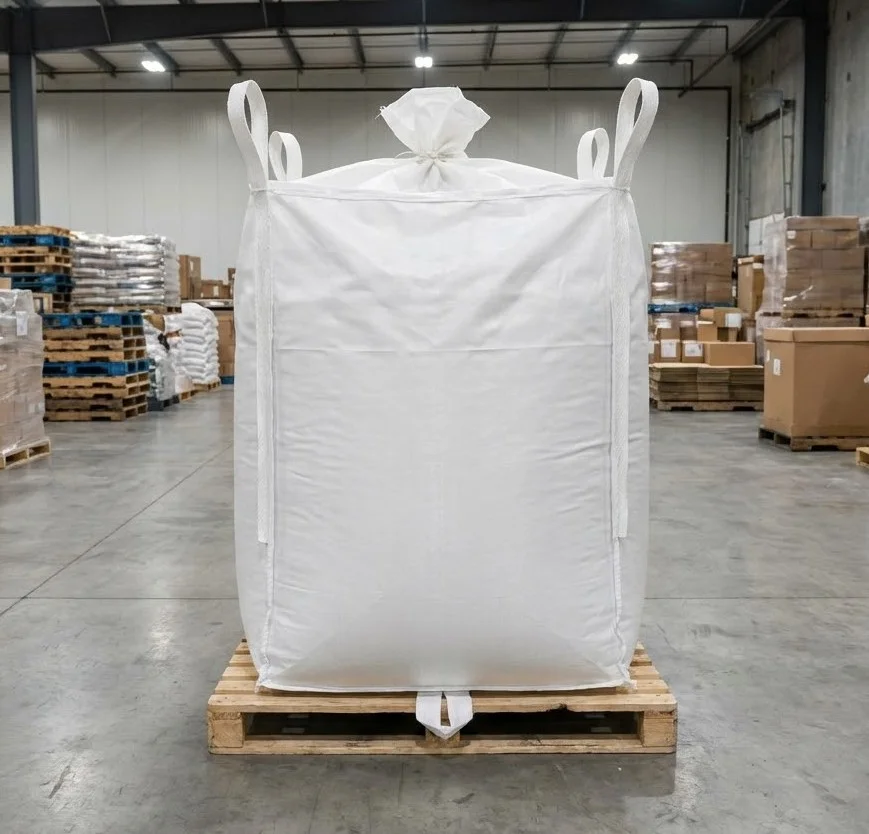
Type A FIBC are made of plain-woven polypropylene and other non-conductive fabrics. There is no static protection provided by Type A FIBC. They can be used to safely transport non-flammable products.
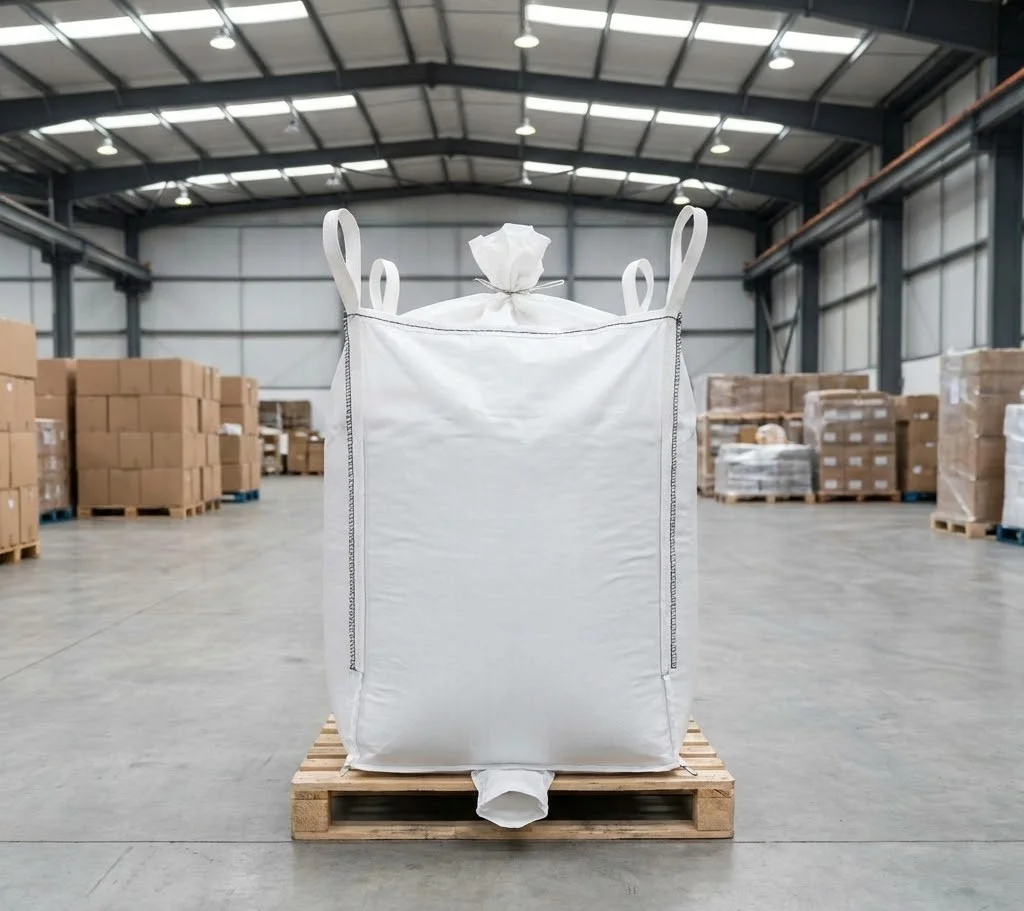
Type B FIBC are also made of non-conductive material but with a low breakdown voltage, which prevents highly energetic propagating brush discharges. They are safe for dry, flammable powders.
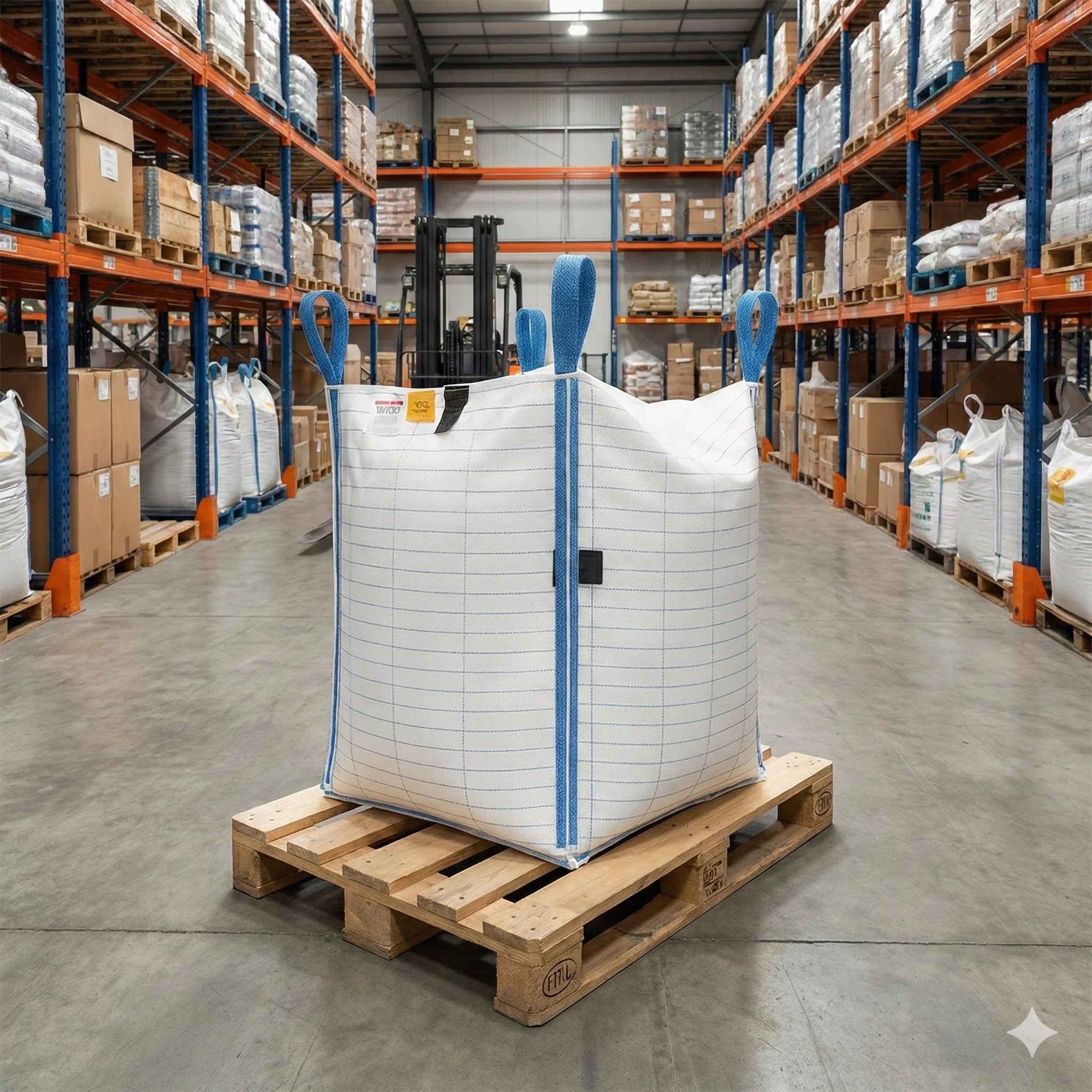
Type C FIBC, also known as conductive FIBC, are made from non-conductive fabrics interwoven with conducting threads. These threads must be electrically interconnected and grounded during filling and discharging, dissipating electrostatic charge safely.
Type A, B & C FIBC
The Ultimate Guide to Type A, B & C FIBC Bags
FIBCs are categorized into Types A, B, and C based on their electrostatic properties. Choosing the right type is critical for safety when handling different materials in various environments.
Type A FIBCs are the most common standard bulk bags found in the industry. Made from standard non-conductive polypropylene fabric, they provide no static protection and are strictly for inert environments.
Type B FIBCs step up safety for flammable dusts by exhibiting a low breakdown voltage (< 6kV). This engineering change prevents the formation of highly energetic propagating brush discharges, making them safe for dry, flammable powders, but they do NOT dissipate static charge and should never be used near flammable gases.
Type C FIBCs, or Conductive bags, are the highest standard for static safety where explosive gases or vapors are present. They are constructed with a grid of conductive threads. The critical rule for Type C bags is that they MUST BE GROUNDED to allow any static charge to flow harmlessly to the ground.
Commercial Uses
Type A: General construction, animal feed, and waste management.
Type B: Food industry for combustible dusts (flour, sugar) and pigment/dye manufacturing.
Type C: Chemical processing plants and paint/coating industries using volatile ingredients.
Advantages
- Type A: Economical standard protection for inert products
- Type B: Prevents propagating brush discharges, safe for dry flammable powders
- Type C: Dissipates electrostatic charge safely, essential for volatile environments
Applications
- Type A: Non-flammable powders, Aggregates
- Type B: Dry flammable powders, Flour & Starches, Pigments
- Type C: Flammable powders, Environments with solvents/gases
Safe use
- Type A: To transport non-flammable products
- Type B: To transport dry, flammable powders
- Type C: To transport flammable powders, even when flammable solvents or gases are present (MUST BE GROUNDED)
Do not use
- Type A: To transport flammable products, or near flammable solvents/gases
- Type B: When flammable solvents or gases are present
- Type C: When ground connection is not present or has become damaged