
Overview
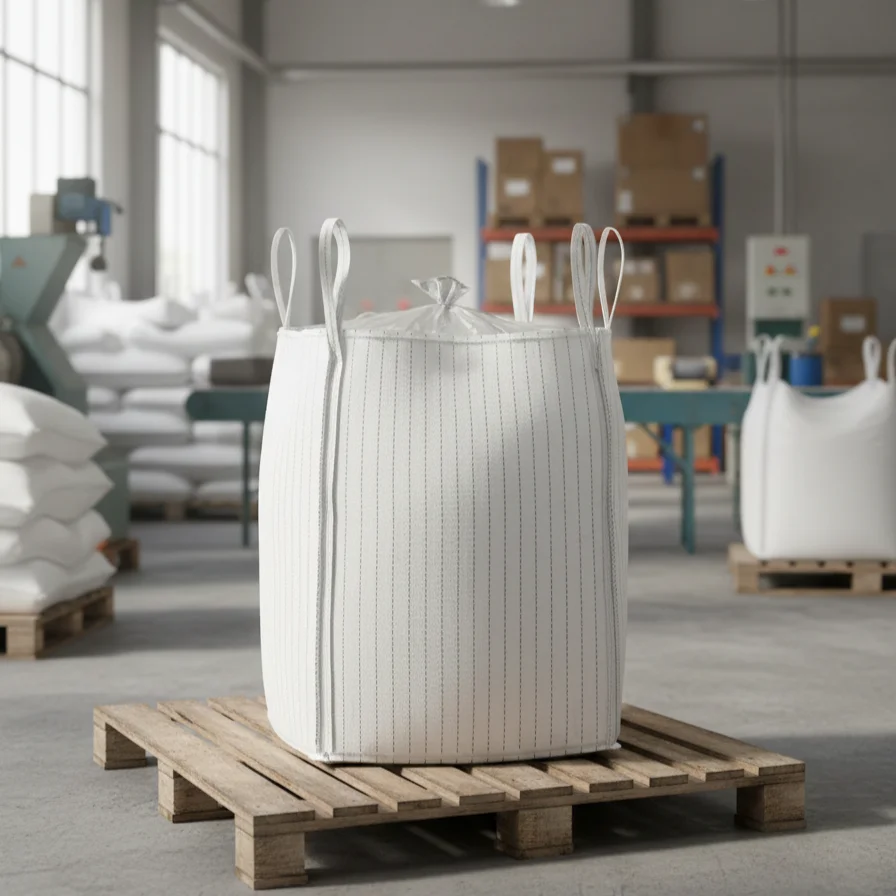
Ventilated FIBC are bags with breathable strips that allow circulation of air. These bags are useful for products that require breathing flow when packed, such as fruits and vegetables. These bags are used mainly for the packaging, transportation or storage of potatoes, onions, beans, grains, nuts or similar products. These bags are breathable, protective and very strong.
Ventilated FIBC
The Ultimate Guide to Ventilated FIBC Bags
Ventilated FIBC bags, also known as breathable bulk bags, are engineered specifically for products that need to 'breathe'. Unlike standard woven polypropylene which can trap moisture and heat, these bags are constructed with fabric that has ventilated strips or specific weaving patterns that allow unrestricted airflow through the bag walls.
This airflow is critical for perishable crops like potatoes, onions, and wood logs. Without ventilation, fresh produce would sweat, leading to moisture buildup, mold growth, and rotting during transit. Ventilated bags ensure that cool, dry air can circulate through the product, keeping it fresh and extending its shelf life.
Ideally suited for the agricultural sector, they combine the heavy-duty lifting capacity of an FIBC (1000kg+) with the preservation properties of a crate or net bag. They are UV stabilized to withstand outdoor storage during harvest seasons and can be customized with varying degrees of ventilation depending on the crop's specific needs.
Commercial Uses
The potato and onion farming industry is the largest consumer. They use these bags for harvesting, drying, and transporting crops from field to processing plants. The bags allow the drying process to continue even after packing.
Firewood suppliers utilize ventilated bags to season wood. Freshly split logs can be packed immediately; the airflow dries the wood naturally over months of storage without requiring re-handling.
Nut growers (peanuts, almonds) use them to prevent fungal growth that can occur in warm, humid storage conditions, protecting the high value of their harvest.
Advantages
- Promotes air circulation preventing spoilage
- Breathable yet protecting fabric
- High strength durability
- Prevents moisture buildup
Applications
- Potatoes & Onions
- Vegetables & Fruits
- Nuts & Grains
- Firewood & Logs